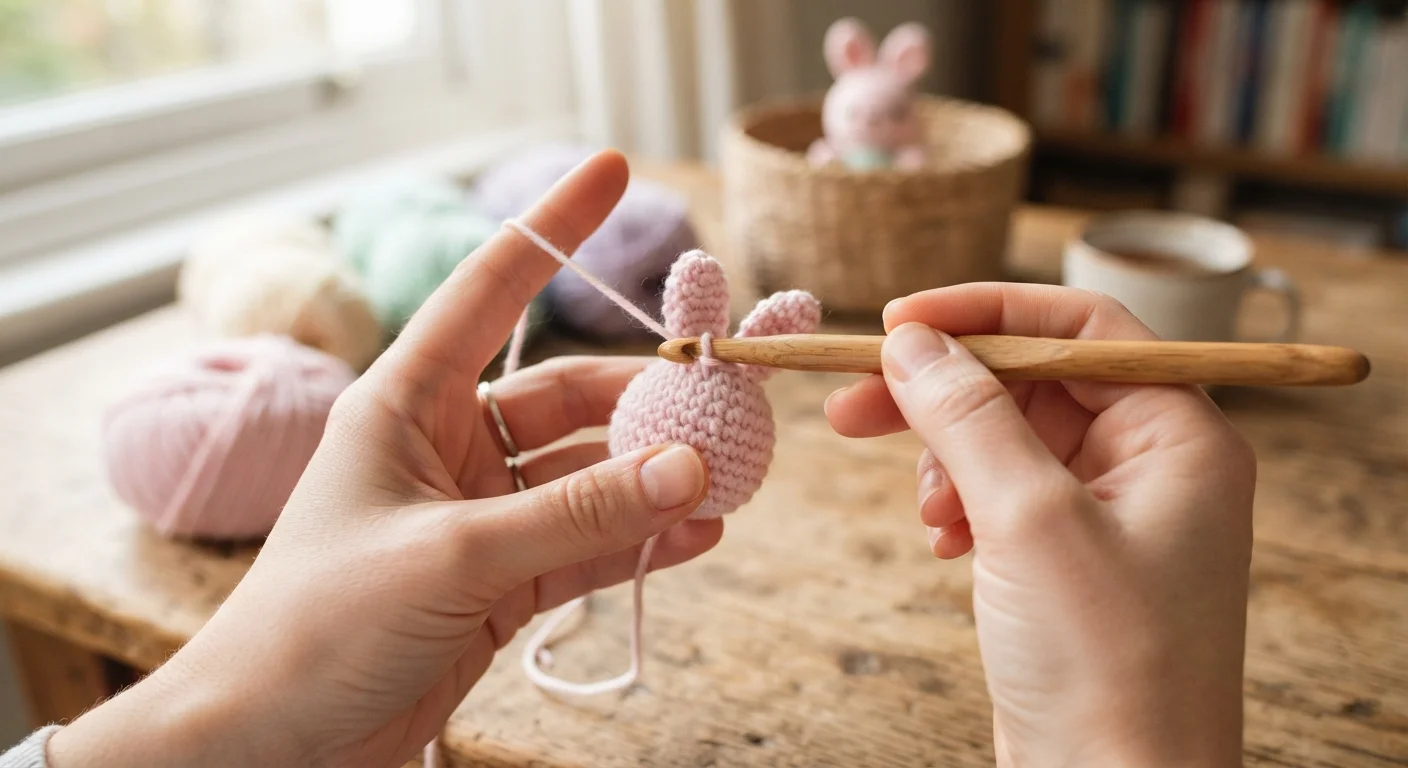
Is Merino Wool Yarn Suitable for Amigurumi? Pros, Cons, and Expert Tips
Wondering if merino wool works for amigurumi? Discover the warmth, softness, pros, cons, and essential tips for crafting heirloom crochet toys.
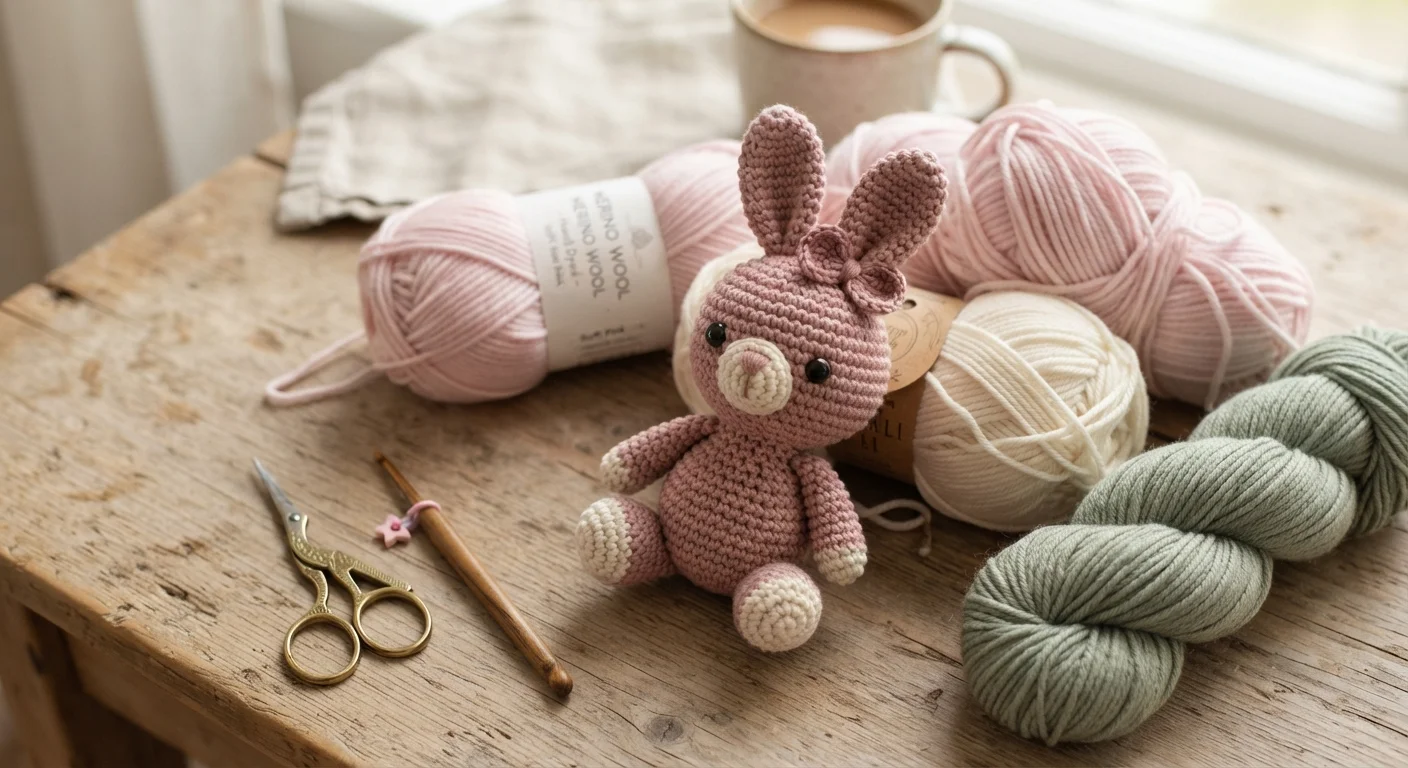
When we step into the colorful universe of amigurumi, cotton and cotton-blend yarns usually take center stage. They provide clean stitch definition, hold structured shapes beautifully, and prevent stuffing from poking through. Yet, the heavenly softness and organic warmth of merino wool often tempt makers to experiment. But is this luxurious fiber truly practical for amigurumi toys?
In this guide, we break down the characteristics of merino wool, evaluate its pros and cons for toy making, and provide practical tips to help you succeed.
What Makes Merino Wool So Special?
Merino wool comes from the fine fleece of Merino sheep. Unlike traditional rustic wools, its fibers are exceptionally thin, elastic, and smooth. This unique micron count means it lacks the prickle factor commonly associated with wool, creating a buttery soft texture that feels gentle against sensitive skin.
The Advantages of Using Merino for Amigurumi
- Unmatched Softness: An amigurumi made with merino feels incredibly tactile, warm, and comforting to hold.
- Heirloom Aesthetic: Merino lends toys an artisanal, vintage quality that shiny Mercerized cotton simply cannot mimic. It is ideal for display pieces, nursery shelf ornaments, and collector plushies.
- Vibrant Color Depth: Wool fibers absorb dyes deeply, yielding rich heathered shades and dreamy hand-dyed palettes that elevate simple patterns into art.
- Natural & Biodegradable: For makers prioritizing eco-friendly crafting, pure wool is renewable and sustainable.
Helpful Tip: If you are crocheting a toy for an infant, be mindful of fibers that could shed or get sucked on during teething phases. Merino is best suited for decorative dolls or older children.
The Challenges You Need to Consider
Despite its undeniable luxury, merino presents specific obstacles when crocheting 3D stuffed forms:
- High Elasticity: Cotton has virtually zero stretch, creating tight, rigid walls that contain fiberfill effortlessly. Merino stretches readily. If stuffed too firmly, the gaps between your stitches can widen, exposing the stuffing underneath.
- Pilling & Wear: Friction from rough play can cause pure merino to pill, forming tiny fuzz balls across the toy's surface.
- Demanding Laundry Care: Untreated wool felts and shrinks quickly in warm water or during machine agitation. Hand washing with wool wash and gentle reshaping is mandatory.
Quick Yarn Comparison for Toys
| Yarn Type | Softness | Shape Retention | Washability | Best For |
|---|---|---|---|---|
| Merino Wool | Very High | Fair | Low (Hand wash) | Heirloom toys, decorative keepsakes |
| 100% Cotton | Moderate | Excellent | High | Teethers, baby rattles, structured toys |
| Cotton-Acrylic Blend | High | Very Good | High | Everyday play plushies |
4 Tips for Crocheting Amigurumi with Merino
If your heart is set on crafting a merino heirloom doll, keep these practical rules in mind:
- Downsize Your Hook: Use a hook that is 0.75 mm to 1.25 mm smaller than recommended on the ball band to achieve an ultra-dense, tight weave.
- Choose Superwash Varieties: Superwash merino fibers are treated to smooth down scales, dramatically reducing shrinkage and improving stitch stability.
- Stuff Mindfully: Layer your polyester fiberfill gradually without overstretching the fabric walls.
- Consider Blends: A merino-cotton blend offers the softness of wool combined with the structural backbone of cotton.
Merino wool brings an emotional, timeless depth to amigurumi when matched with the right project. Have you ever tried crocheting a toy with wool? We would love to see your creations! Connect with our creative community on Instagram at @aylawangurumi and share your handmade journey with us.