Cloud-Soft Amigurumi: The Art of Crocheting with Alpaca Yarn
Move beyond basic cotton! Discover the luxurious texture of alpaca yarn and learn how to crochet heirloom-quality, delightfully soft amigurumi toys.
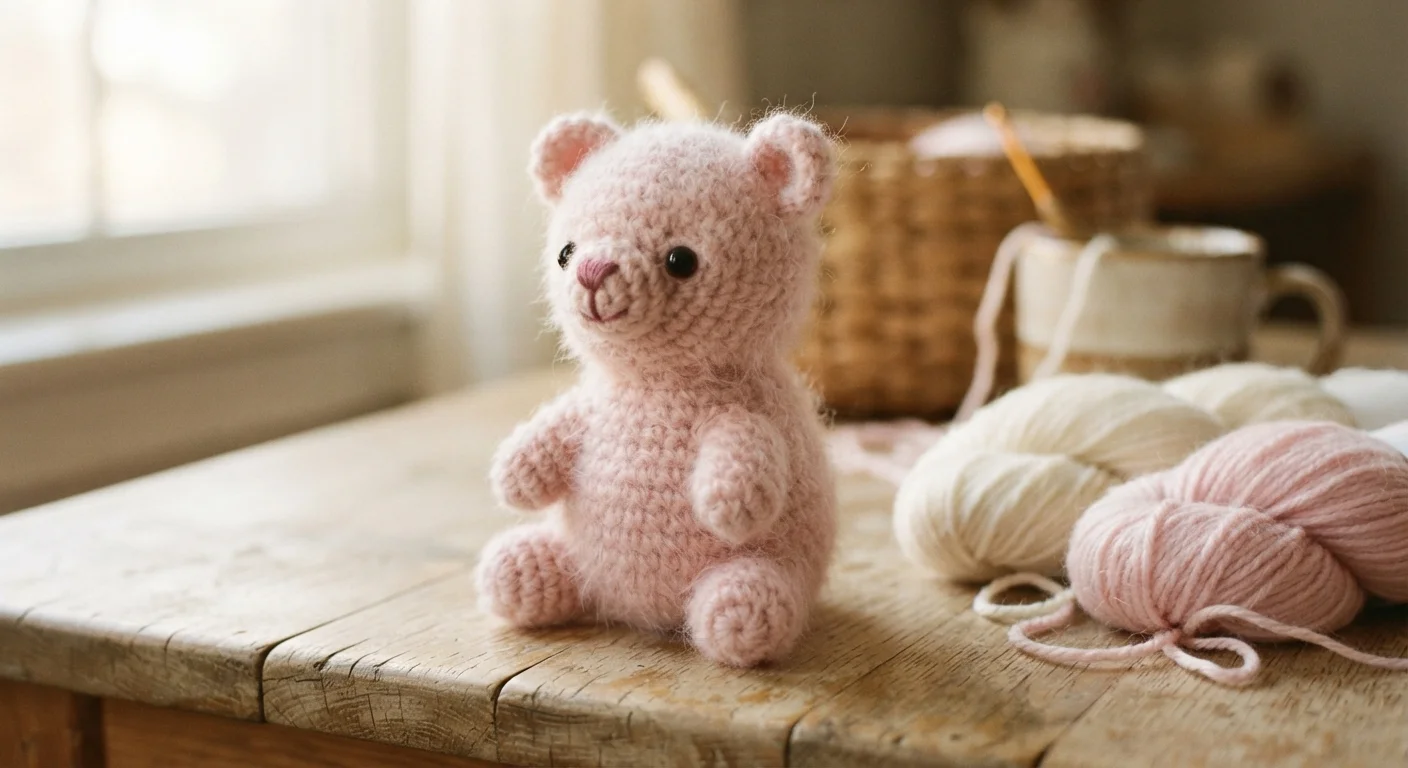
When most crafters begin their amigurumi journey, mercerized or combed cotton is the customary starting line. Cotton yarn delivers clear stitch definition, doesn't split easily, and simplifies counting rounds. However, as your creative confidence blooms, you might find yourself yearning for something richer, softer, and more tactile. That is precisely where alpaca yarn shines.
Sourced from gentle alpacas native to the windswept heights of the Andes, this natural fiber brings an unmistakable touch of luxury to miniature toys. Let us explore why alpaca yarn creates such magical results and how you can seamlessly incorporate it into your crochet repertoire.
Why Choose Alpaca Yarn for Your Toys?
Alpaca is renowned among knitters and fiber artists worldwide, yet it remains an underutilized secret in the amigurumi realm. Here is what makes it so enchanting:
- Naturally Hypoallergenic: Unlike traditional sheep's wool, alpaca fibers contain no lanolin. This makes alpaca amigurumi far less prone to triggering allergic reactions or skin sensitivity, providing a gentle cuddle companion.
- Lightweight Thermal Core: Alpaca hair features microscopic hollow chambers. These pockets trap air, making the finished piece significantly lighter than dense cotton creations while preserving cozy warmth.
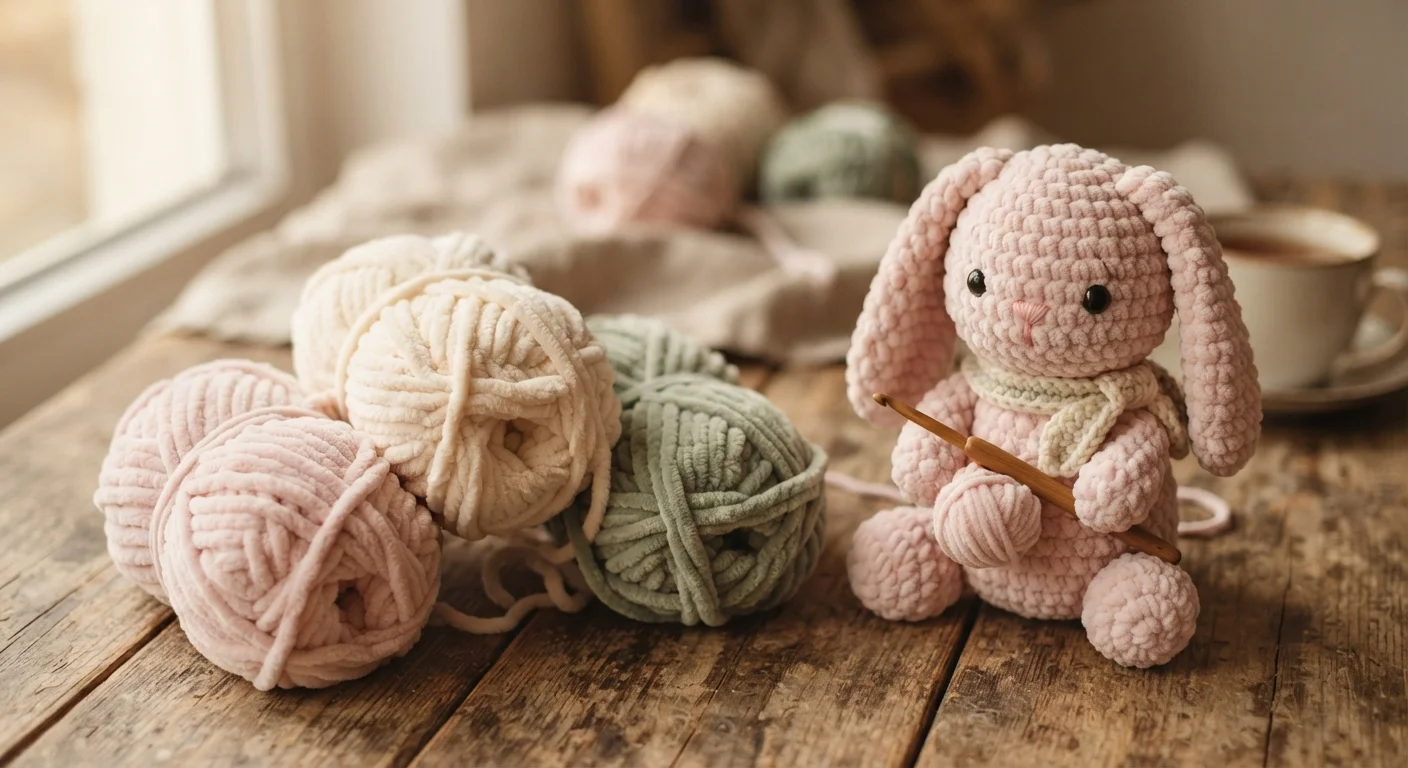
- The Romantic 'Halo' Effect: Alpaca produces a subtle, fuzzy bloom around each stitch. Instead of rigid sculptural edges, your creatures will gain a soft, painterly silhouette reminiscent of heirloom teddy bears.
Crochet Tip: Alpaca yarn possesses minimal memory and elasticity. Maintain a steady, relaxed tension. Avoid pulling your stitches excessively tight, which can crush the delicate natural halo.
Essential Guidelines for Working with Alpaca
Because of its distinct fuzzy constitution, crocheting with alpaca requires slight adjustments compared to smooth plant fibers:
1. Hook Selection and Stitch Density
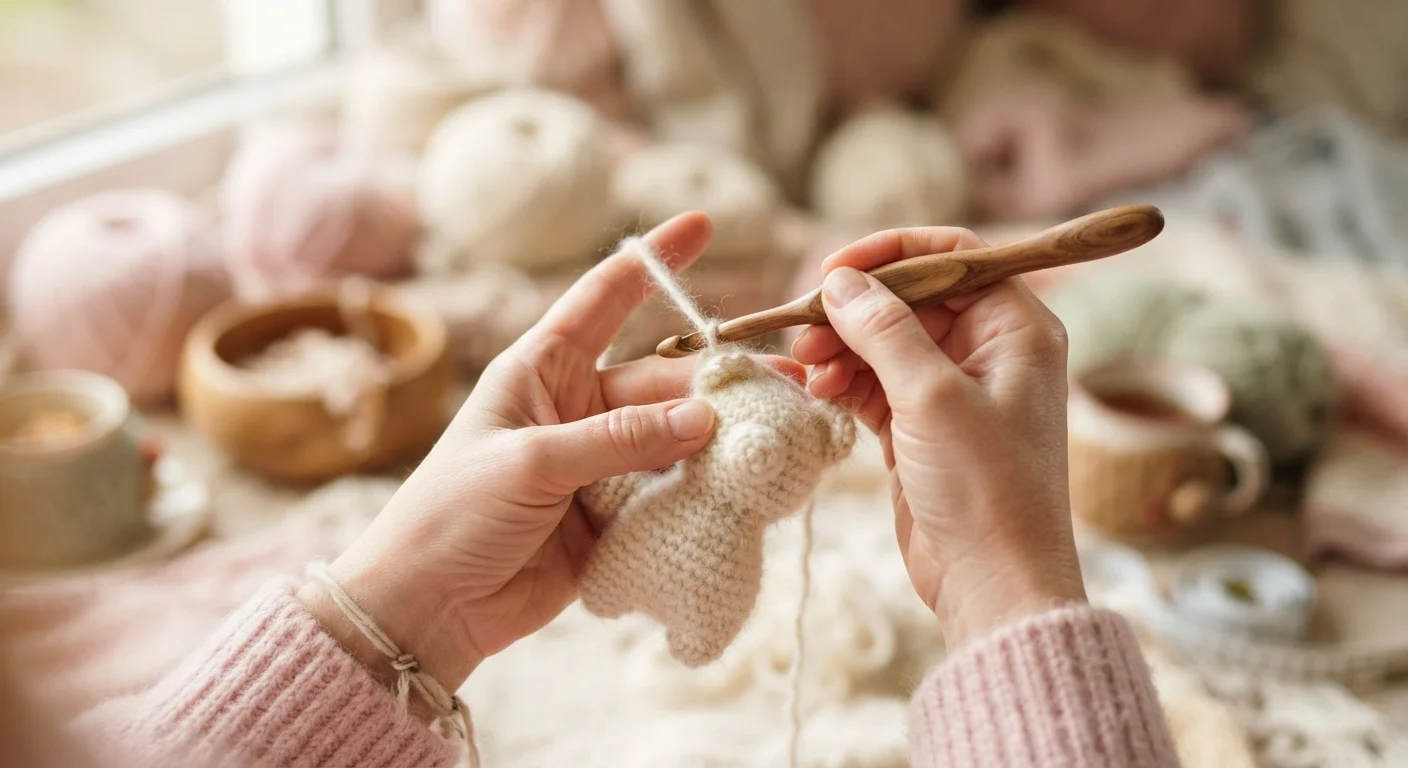
In amigurumi, we typically downsize our crochet hook to keep stuffing hidden. When working with alpaca, pair an ergonomic bamboo or smooth polished metal hook with your yarn. Bamboo provides enough friction to tame slippery fibers, while metal prevents catching on delicate strands. Aim for snug stitches, but do not strangle the loop; allow the natural fuzz room to expand and fill micro-gaps.
2. Take Care When Frogging
Due to the interlocking nature of alpaca fibers, undoing rows—colloquially known as frogging—requires gentle patience. Ripping stitches out too fast can cause fibers to felt together into stubborn knots. If you must correct a mistake, pull slowly and use a tapestry needle to tease stubborn strands apart.
| Fiber Type | Stitch Surface | Frogging Ease | Recommended Project |
|---|---|---|---|
| 100% Cotton | Crisp & Structured | Very Easy | Intricate dolls, articulated limbs |
| Alpaca Blend | Fluffy & Supple | Moderate | Woodland creatures, snuggle bears |
| 100% Pure Alpaca | Silky & Haloed | Needs Care | Keepsake animals, cozy accessories |
Inspiring Project Ideas for Alpaca Fibers
Not every design calls for fuzzy yarn, but certain characters look utterly transformed when crafted in alpaca:
- Heirloom Teddy Bears: The classic aesthetic of antique mohair and wool bears can be beautifully mirrored with rich honey, fawn, or chocolate alpaca yarns.
- Forest Creatures: Think sleepy hedgehogs, fluffy-tailed foxes, snowy owls, and alpine bunnies that naturally boast soft pelt textures.
- Layered Doll Apparel: If you prefer using cotton for the doll's main body, consider crocheting miniature cardigans, berets, or scarves out of fine alpaca to create visually captivating textural depth.
Washing and Caring for Alpaca Amigurumi
Caring for fine animal fibers is simpler than it seems, provided you respect their sensitivity to agitation and high heat. Never put pure alpaca toys in the washing machine, as the cycle will agitate the scales and cause shrinking or felting. Instead, submerge the piece in tepid water with a drop of gentle wool wash. Squeeze softly without wringing, press out excess moisture between clean dry towels, and reshape your friend to dry flat in the shade.
Crocheting with alpaca turns every loop and round into a soothing sensory ritual. We would love to admire your soft, fluffy creations! Join our creative circle, share your WIPs, and connect with us on Instagram at @aylawangurumi—be sure to tag us so we can celebrate your handmade wonders.