Complete Guide to Chenille and Velvet Yarn Amigurumi: Crafting Cloud-Soft Plushies
Dreaming of crocheting irresistibly soft plushies? From magic ring hacks to shed-free joins, master chenille and velvet amigurumi with our expert guide!
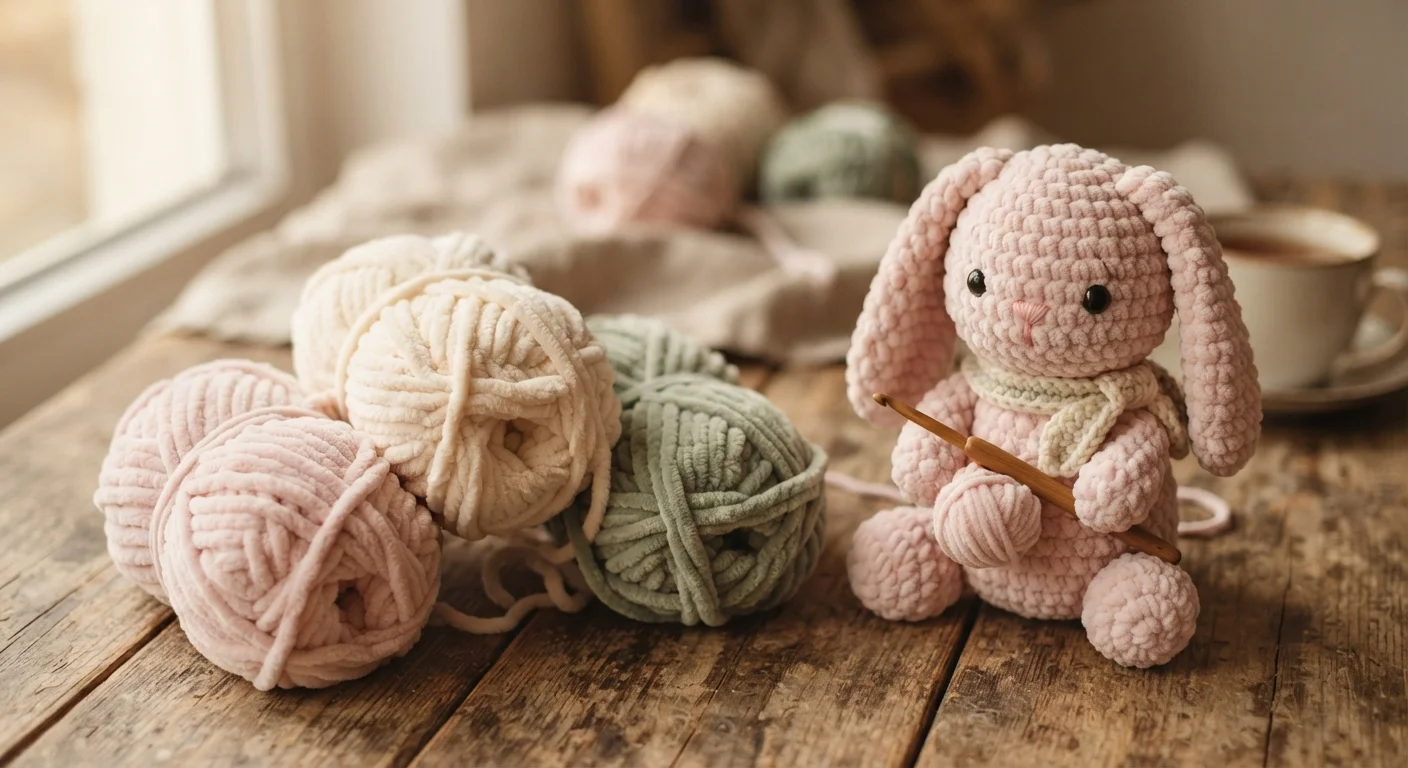
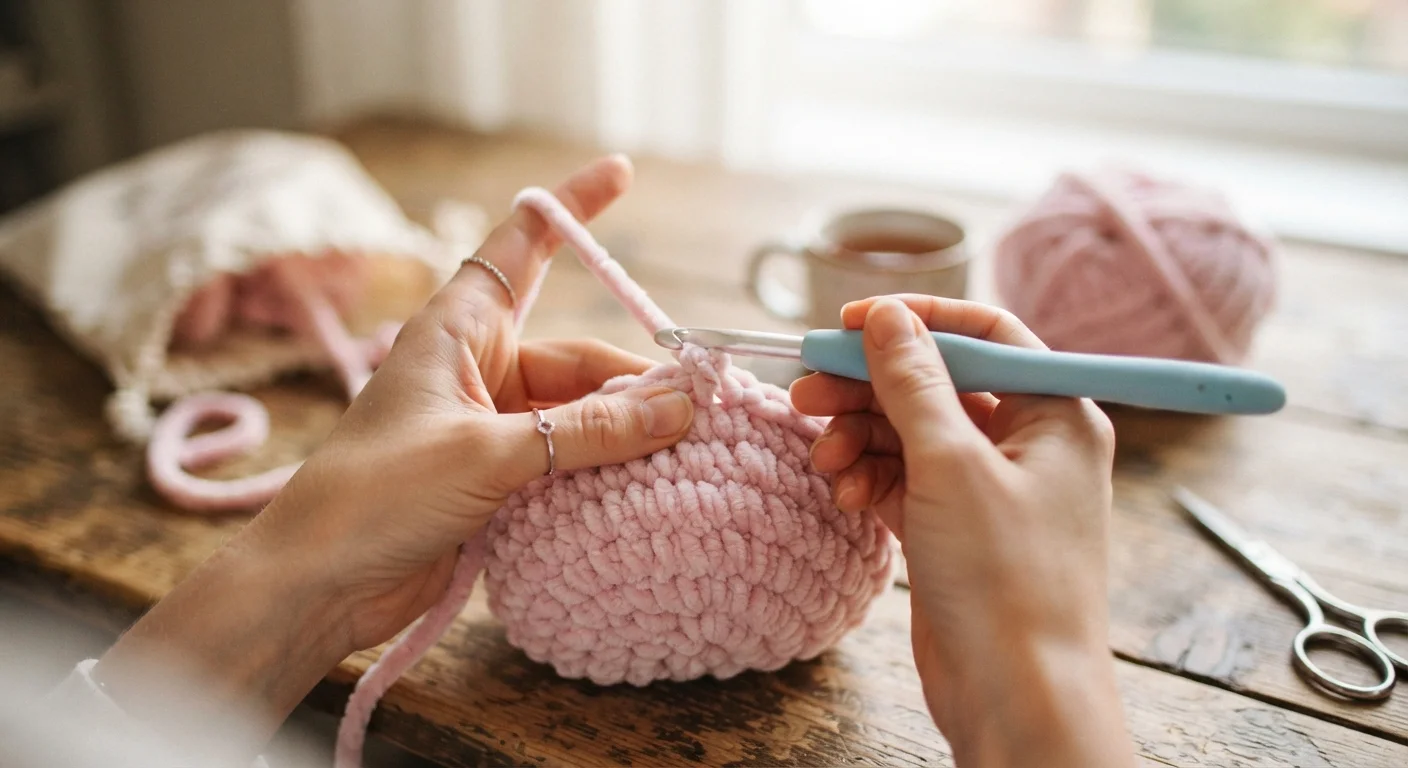
There is a massive trend captivating crochet enthusiasts everywhere: chenille and velvet yarns! The instant you touch one of these creations, you realize why they are so popular. They create plush, cloud-soft toys that feel like high-end boutique stuffed animals. Because these yarns are bulkier than traditional fingering or DK cotton, your projects work up in a fraction of the time. Crocheting an armful of softness in just a single afternoon is a deeply satisfying experience.
However, beginners working with velvet yarn often hit the same road bumps: snapping threads when pulling magic rings, elusive stitches hiding under dense fluff, and mysterious piles of shedding fibers. Don't let these initial hurdles discourage you! Once you understand the unique personality of plush yarn, crocheting velvet amigurumi will quickly become your favorite hobby.
What Makes Chenille and Velvet Yarn Unique?
Primarily crafted from polyester fibers, chenille yarn features short tufts (piles) held securely between a core of thin woven threads. Velvet yarn is constructed similarly, offering a sleek, velvety sheen. In amigurumi, this plush volume is a huge benefit: the fluffy fibers bloom outward, naturally filling the spaces between stitches and preventing polyester fiberfill from peeking through.
5 Golden Rules for Crocheting with Velvet Yarn
1. Goodbye Snapped Rings: The 2-Chain Method
On standard cotton yarn, a magic ring glides shut smoothly. With chenille yarn, however, the thick fuzzy coating creates intense friction against the inner core thread. If you yank hard, the core snaps, leaving you with ruined yarn.
Pro Tip: Instead of a magic ring, simply chain 2 loosely. Work all your round 1 single crochets (usually 6 sc) into the second chain from your hook. Gently tug the tail to cinch the tiny opening. This produces a sturdy circle without any risk of snapping.
2. Feel the Stitches Instead of Looking
Due to the thick pile of velvet yarn, traditional "V" shapes at the top of each stitch can be invisible—especially in dark shades. Instead of straining your eyes, rely on these two tricks:
- Stitch Markers: Always insert a locking marker into the very first stitch of every round without exception.
- Tactile Crocheting: Let your non-hook fingers guide you. Feel the distinct spaces between stitch posts with your fingertips. Your touch will tell you precisely where to insert your hook.
3. Choosing the Right Hook Size
Crochet hooks recommended on velvet yarn labels (often 6.0 mm or 7.0 mm) are intended for drapey blankets, not stuffed toys! In amigurumi, you want dense, firm fabric that holds its shape under stuffing pressure.
| Yarn Weight | Recommended Amigurumi Hook | Best Used For |
|---|---|---|
| Light Velvet (Baby Velvet) | 3.0 mm – 3.5 mm | Small, structured figurines |
| Standard Chenille (Chunky / Bulky) | 4.0 mm – 5.0 mm | Classic plushies, squishy bears |
| Jumbo / Blanket Chenille | 6.0 mm – 7.0 mm | Oversized pillow buddies |
Avoid crocheting with a death grip. Excessive tension strips the fuzz off the inner thread, leaving bald patches. A smooth, relaxed tension delivers the plushest surface.
4. How to Stop Shedding at the Yarn Tail
When you cut chenille yarn, raw ends tend to "worm" or drop lint everywhere. To lock the tufts in place, quickly tap the cut tip with a lighter for just a split second to melt the synthetic fibers together, or tie a tight micro-knot right at the tail's tip. This keeps your working area clean and protects your stitches from unraveling.
5. Assemble Limbs Using Matching Cotton Yarn
When you pull a chenille yarn tail back and forth through a tapestry needle to attach ears or legs, the intense friction frequently strips the fluff, snapping the thread mid-seam.
Save yourself the frustration by using a color-matched cotton or mercerized thread for assembly. Strong cotton yarn glides effortlessly through plush fabric, won't fray, and secures limbs much more firmly. Because the chenille fluff is so thick, the cotton stitches disappear completely into the deep pile.
Safety Eye Sizing and Reinforcement
Because velvet plushies turn out significantly larger than cotton ones, tiny 8 mm eyes can look lost. Opt for 14 mm to 20 mm glitter or solid safety eyes to maintain expressive, cute proportions. For extra security in looser plush fabrics, place a small square of felt behind the fabric before snapping the safety washer on.
Crocheting with chenille yarn takes a little practice to find your rhythm, but the results are nothing short of magical. Give your hands time to adjust and enjoy the dreamy, cloud-soft process!
We would love to see your soft and squishy creations! Tag @aylawangurumi on Instagram and join our cozy crafting family.