Sustainable Amigurumi: Crafting with Recycled Yarns
Embrace eco-friendly crafting! Learn how to crochet charming amigurumi toys using recycled yarns, including hook selection, tension, and care tips.
Mindful Stitches: The Rise of Sustainable Amigurumi
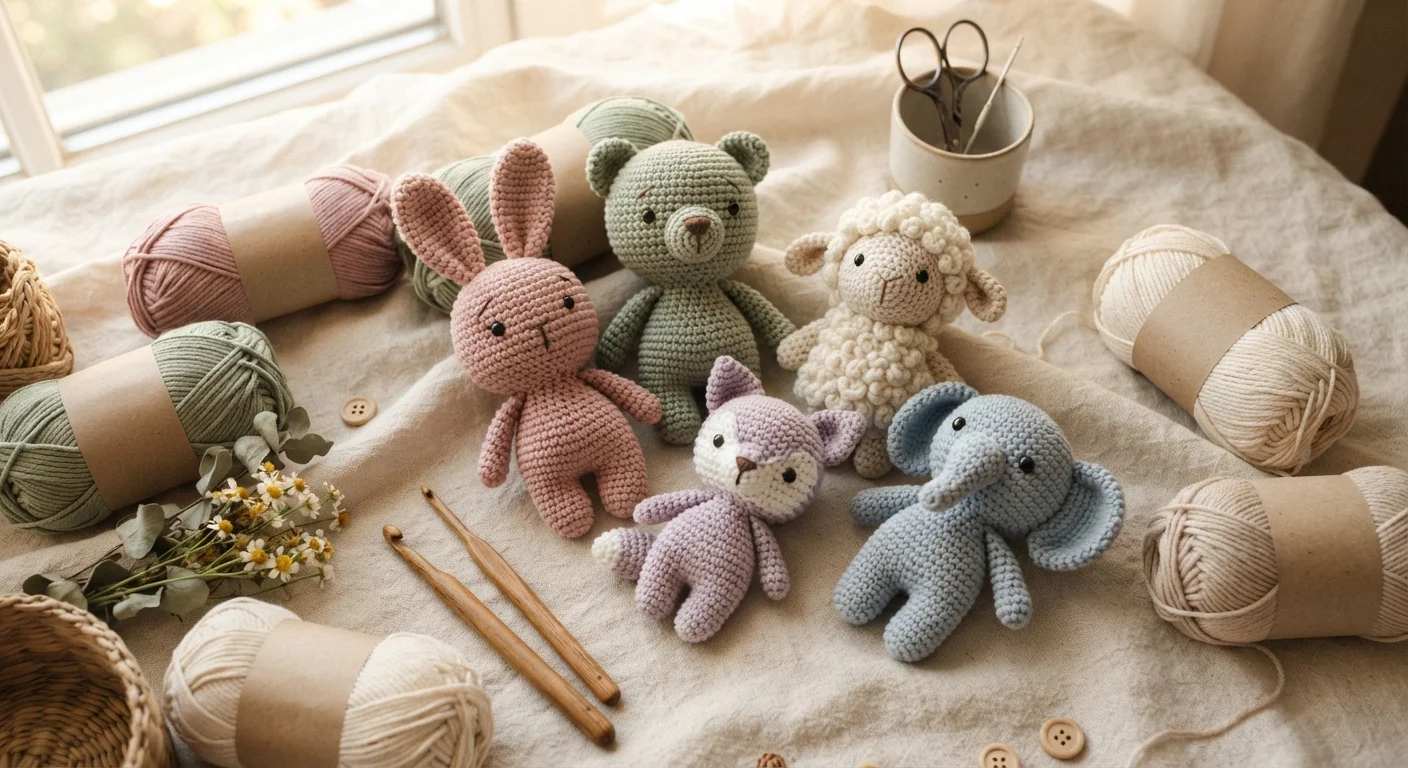
Crocheting a handmade toy is already an act of mindful creation. Yet in recent years, many crafters have turned their attention toward more eco-conscious making. This is where sustainable amigurumi steps in. Made from regenerated textile remnants and recycled PET plastics, recycled yarns are rightfully earning a prominent place in our project baskets.
How do recycled yarns perform when making amigurumi compared to standard mercerized cotton? How do they affect stitch definition, tension, and the final look of your toys? Let's explore everything you need to know about working with these earth-friendly fibers.
What Exactly Is Recycled Yarn?
Recycled craft yarns are typically produced through two primary streams:
- Pre-consumer Textile Waste: Cotton cuttings and trimmings leftover from garment manufacturing are sorted by color, shredded back into raw fibers, and spun into new yarn. Because sorting by color eliminates the need for re-dyeing, this process saves tremendous amounts of water and chemicals.
- Post-consumer Recycled Fibers: Discarded clothing and sanitized clear PET bottles are turned into soft polyester fibers and blended with cotton, creating a remarkably durable and soft thread.
The result is a matte, slightly textured, and beautifully organic yarn that gives toys a warm, modern aesthetic.
Traditional Cotton vs. Recycled Cotton Blends
| Feature | Traditional Mercerized Cotton | Recycled Cotton Blend |
|---|---|---|
| Texture | Smooth, glossy, tightly twisted | Matte, slightly textured, soft grip |
| Elasticity | Low to moderate | Firm with minimal stretch |
| Color Tone | Solid, uniform pigmentation | Gentle heathered / melange appearance |
| Finished Look | Sharp, defined stitches | Rustic, cozy, heirloom character |
Practical Tips for Crocheting Amigurumi with Recycled Yarn
Because recycled yarns behave slightly differently than slick commercial cotton, these simple adjustments will ensure your finished piece looks professional and clean:
1. Size Down Your Hook
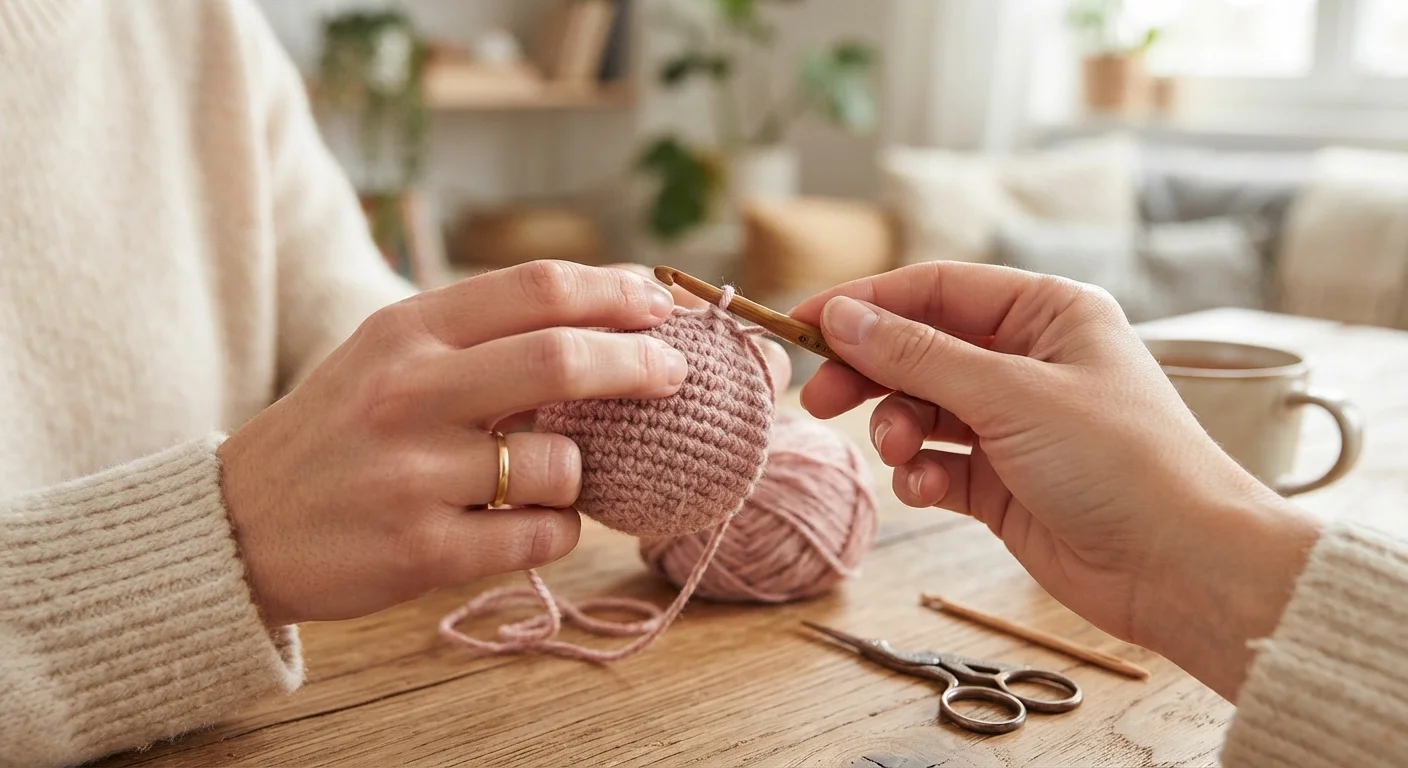
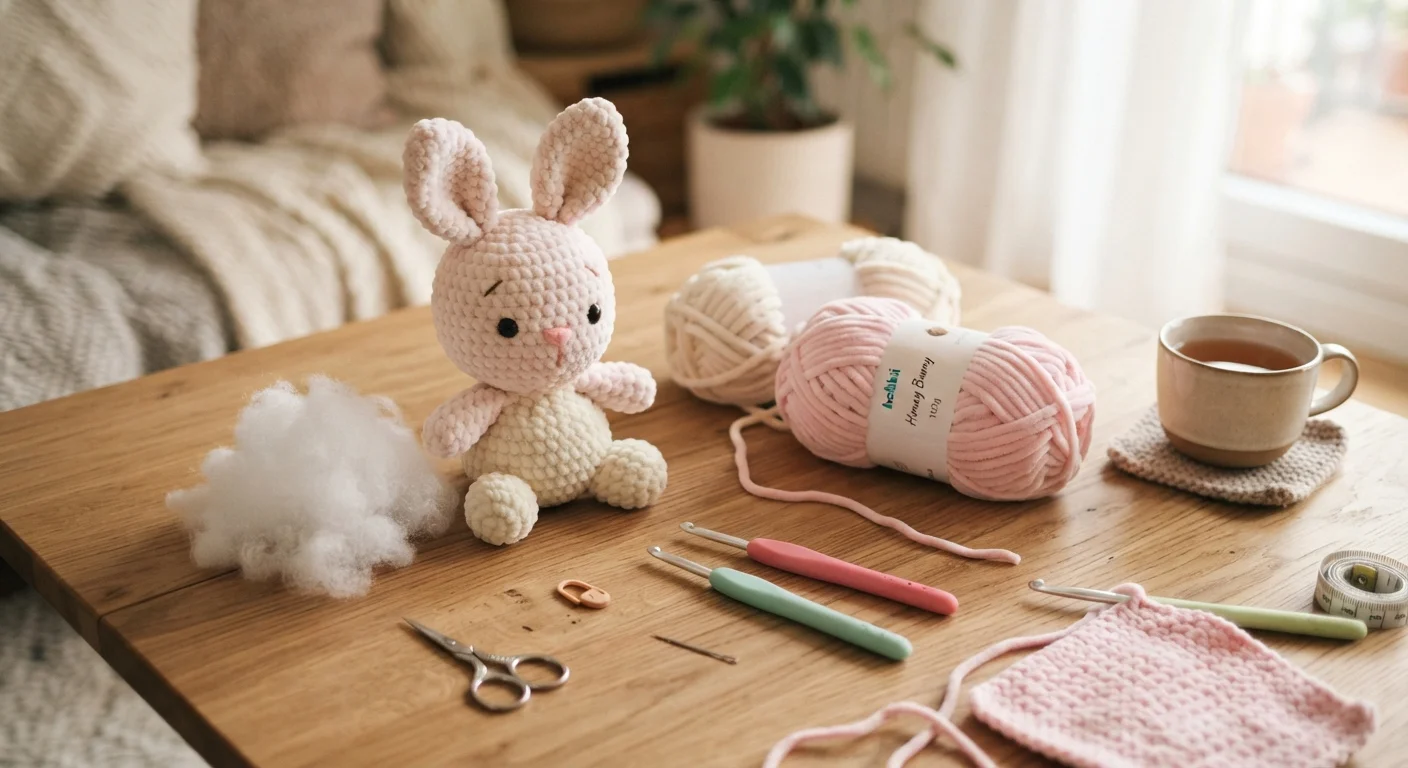
Recycled yarns often feature a softer, slightly looser twist. In amigurumi, preventing fiberfill from peeking through is essential. Choose a hook size that is 0.5 mm to 1.0 mm smaller than what the yarn band recommends—typically around 2.25 mm to 2.75 mm—to guarantee dense, tight stitches.
2. Embrace Subtle Texture Variations
Given the nature of recycled fibers, slight slubs or microscopic thickness shifts may appear across the skein. This is not a defect; rather, it provides authentic, tactile handmade charm. Keep your tension consistent and relaxed to blend these subtle variations seamlessly into the fabric.
Pro Tip: Do not pull recycled yarn too tightly as you work. Because it has minimal natural bounce, excessively tight tension can strain your wrists and cause the fabric to buckle. Let the hook regulate the loop size naturally.
3. Choose the Right Hook Tip
If you are using a multi-strand unmercerized recycled yarn, very sharp-pointed hooks might split the plies. Opt for a crochet hook with an ergonomic handle and a smooth, rounded head to glide effortlessly through each stitch.
Best Project Ideas for Recycled Yarns
The rustic, earth-toned personality of recycled fibers pairs exceptionally well with:
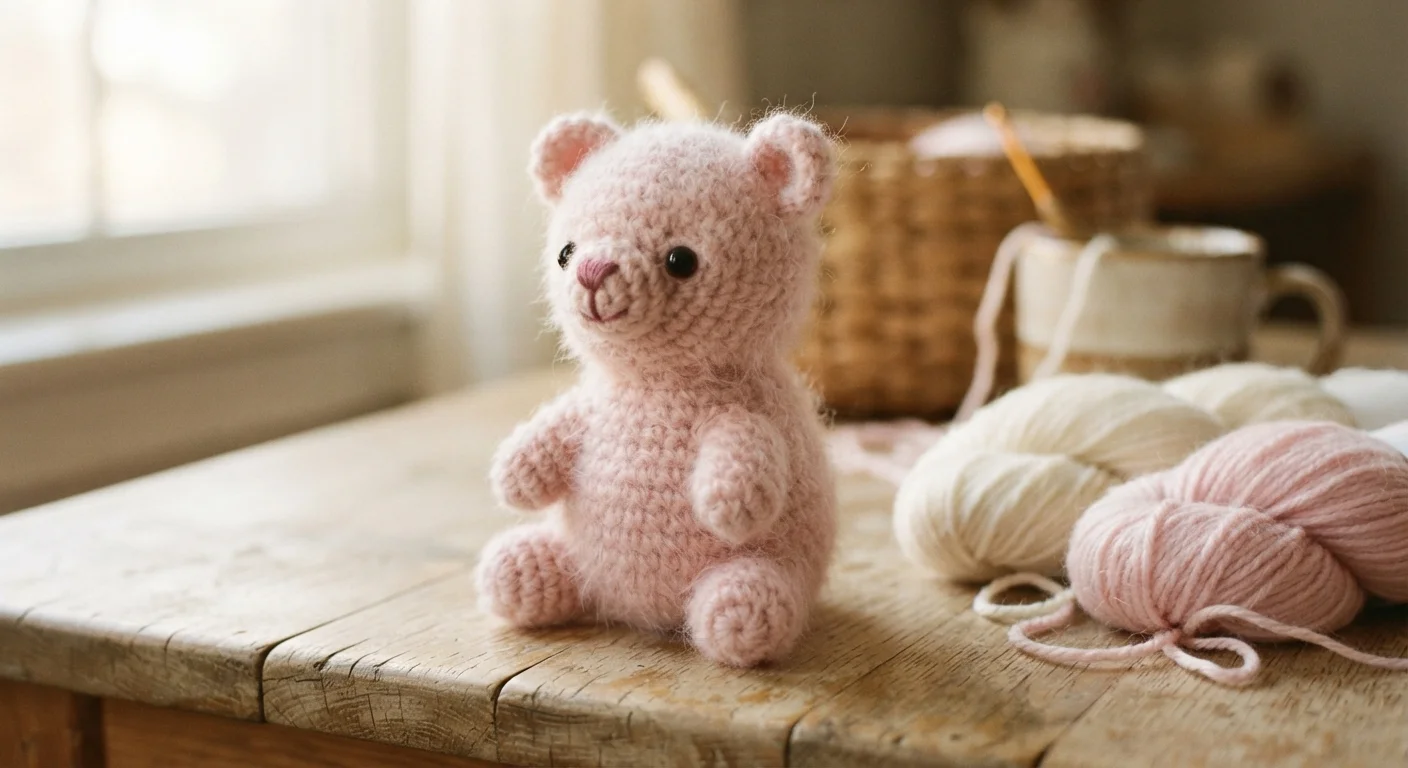
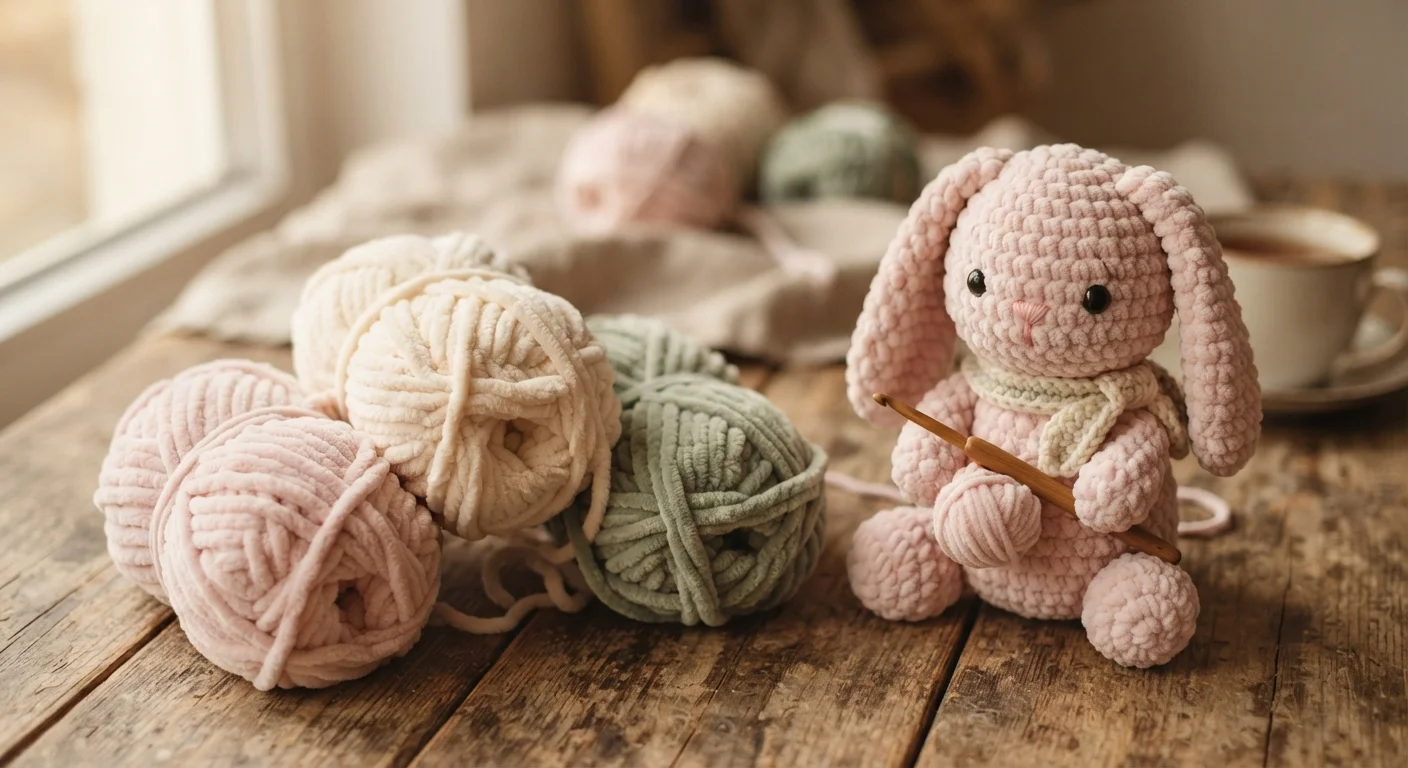
- Woodland creatures: Bears, foxes, deer, and bunnies with vintage charm.
- Minimalist modern toys: Scandi-style neutral dolls and monochrome animals.
- Sensory rattles: Paired with natural untreated wooden rings for a completely organic nursery gift.
Caring for Your Eco-Friendly Amigurumi
Toys made from recycled cotton-polyester blends are remarkably durable. To keep them looking fresh for years, wash them gently by hand in lukewarm water (under 30°C / 86°F) using mild detergent. Press out excess moisture inside a clean towel without wringing, then reshape and lay flat to dry in the shade.
Taking your first step into sustainable crafting is both rewarding for your spirit and gentle on our planet. Have you tried making toys with recycled yarns yet? We'd love to see your conscious creations! Share your finished makes with us on Instagram by tagging @aylawangurumi.