Video Tutorials vs. Written Patterns: Which Is Best for Learning Amigurumi?
Should you learn amigurumi through video tutorials or written patterns? Discover the pros, cons, and the ultimate beginner strategy to find your rhythm.
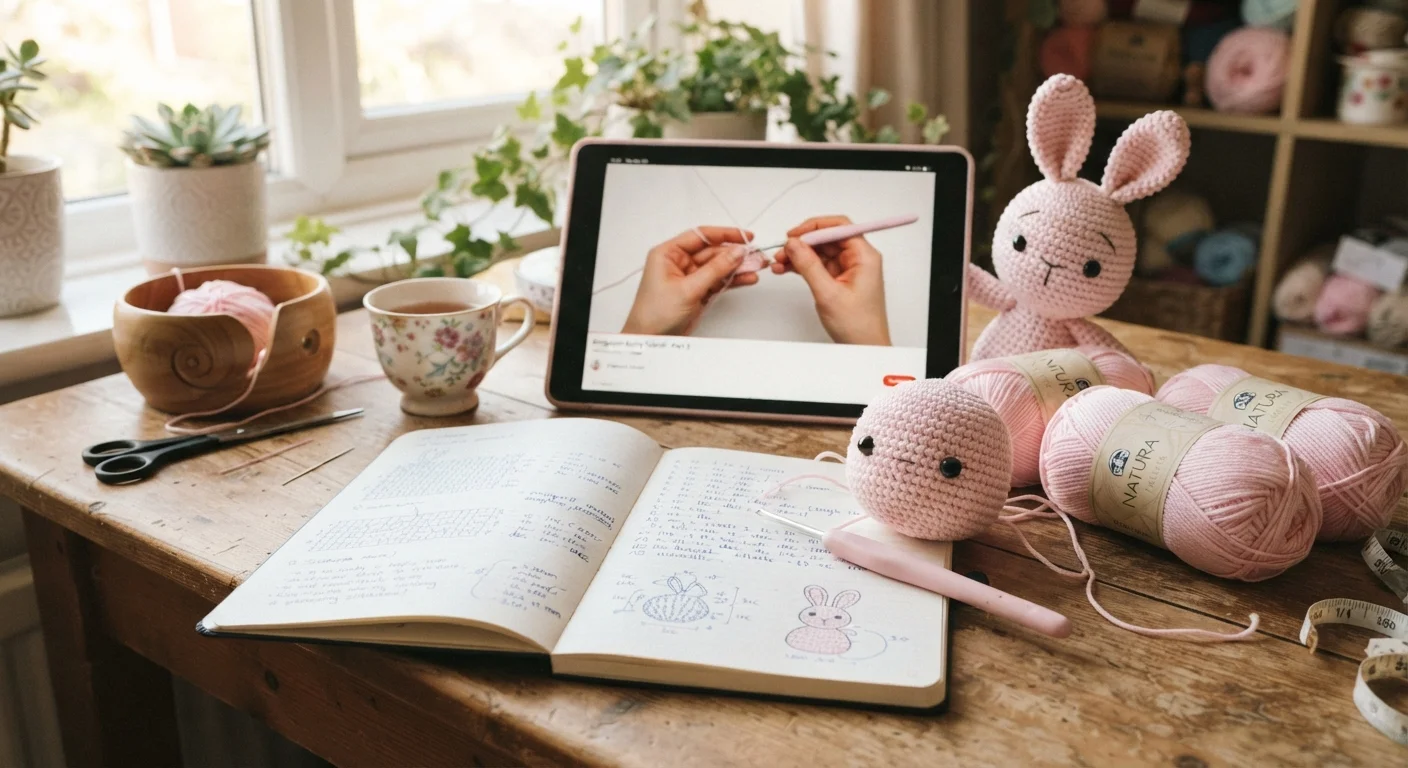
When taking your very first steps into the enchanting realm of amigurumi, a familiar dilemma almost always presents itself: "Should I pull up a video tutorial on YouTube, or should I sit down with a clear written pattern and read line by line?"
Both paths offer wonderful entry points into transforming simple balls of yarn into charming handmade companions. However, the path that feels most effortless to you depends heavily on your learning style, patience, and how you best process tactile instructions.
In this guide, we break down the distinct advantages and challenges of both video tutorials and written patterns to help you craft your ideal creative journey.
1. The Power of Video Tutorials: Visual Precision and Hand Mechanics
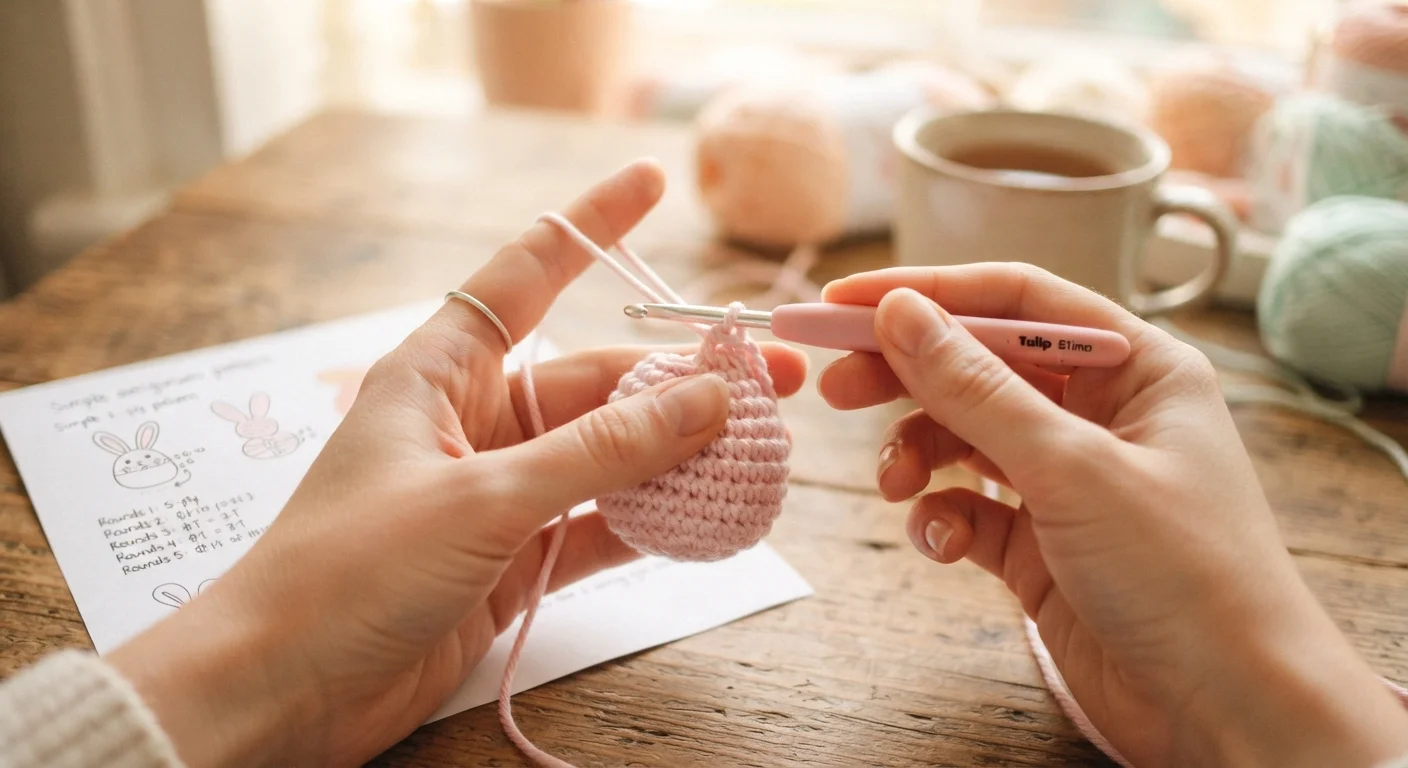
Crochet is deeply sensory. It is not merely about counting numbers; it involves hand grip, thread tension, and finding the sweet spot where your hook glides smoothly through loops. This is where video tutorials truly excel.
Why Video Tutorials Shine
- Visual Reassurance: Watching exactly where the hook enters the stitch or how a magic ring closes provides instantaneous clarity that words often struggle to convey.
- Mirroring Movements: If you find tension control tricky, observing an experienced crocheter's continuous flow trains your muscle memory much faster.
- Instant Troubleshooting: You can hold your work directly up to the screen and spot discrepancies immediately: "Ah, that's why mine looks inverted!"
The Drawbacks of Video Tutorials
- The Constant Pause-and-Rewind: Juggling yarn, hook, and a remote control or touch screen can easily disrupt your creative rhythm.
- Pacing Conflicts: An instructor might work too fast for your hands, or conversely, talk too slowly when you just want to get on with the next round.
2. The Freedom of Written Patterns: Finding Your Own Tempo
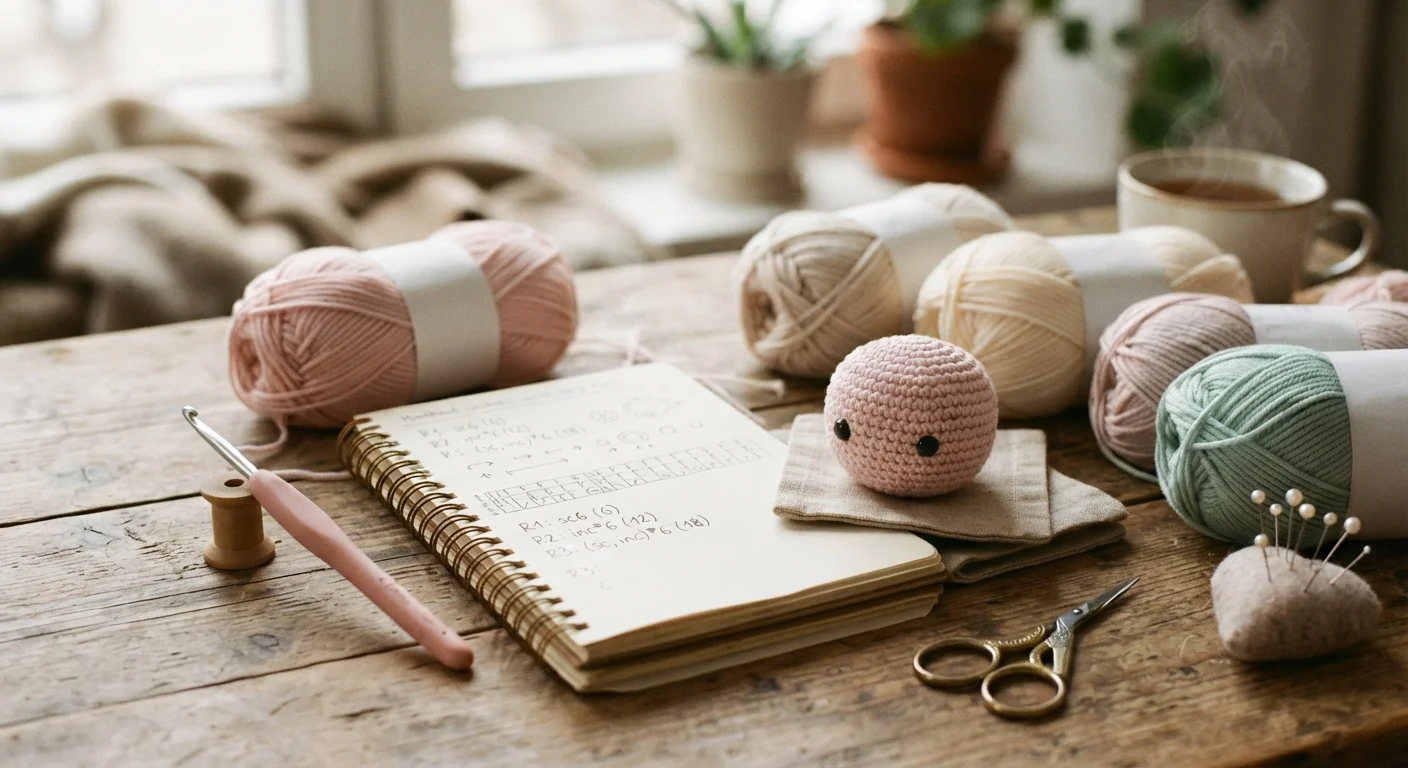
At first glance, a pattern reading "R1: 6 sc in mr, R2: 6 inc (12)" might resemble cryptic algebra. But once you decode the basic terminology, written patterns unlock unmatched creative independence.
Why Written Patterns Shine
- Unrestricted Pacing: You set the tempo. There is no screen to keep up with; you can pause for a sip of tea or reflect on a round without touching a screen.
- Mastering the Universal Language: Understanding standard pattern abbreviations empowers you to pick up designs from artists worldwide, regardless of spoken language.
- Portability and Focus: You do not need Wi-Fi or battery life. A single printed page or a quiet PDF lets you crochet peacefully on a train, in a park, or in bed.
The Drawbacks of Written Patterns
- Initial Intimidation: For an absolute novice, an unfamiliar list of abbreviations can feel overwhelming and discourage early progress.
- Assembly Ambiguity: Written descriptions of sewing ears or embroidering delicate facial details often lack nuance without step-by-step imagery.
Comparison Breakdown
| Feature | Video Tutorials | Written Patterns |
|---|---|---|
| Beginner Friendliness | Very High (Visual & auditory) | Moderate (Requires terminology decoding) |
| Pacing Control | Dependent on playback speed | 100% Personal pace |
| Stitch Anatomy Insight | Clear visibility of stitch insertion | Requires spatial imagination |
| Portability & Battery | Requires screen, Wi-Fi, battery | Highly portable & screen-free |
| Pattern Independence | Lower (risk of video dependency) | High (builds solid foundational literacy) |
The Recommended Beginner Strategy: The Hybrid Method
There is no need to pick just one side. In fact, most experienced makers find their groove through a balanced combination of both:
- Use video for basic stitch mechanics: Learn the magic ring, single crochet, increases, and invisible decreases through short, focused technique clips.
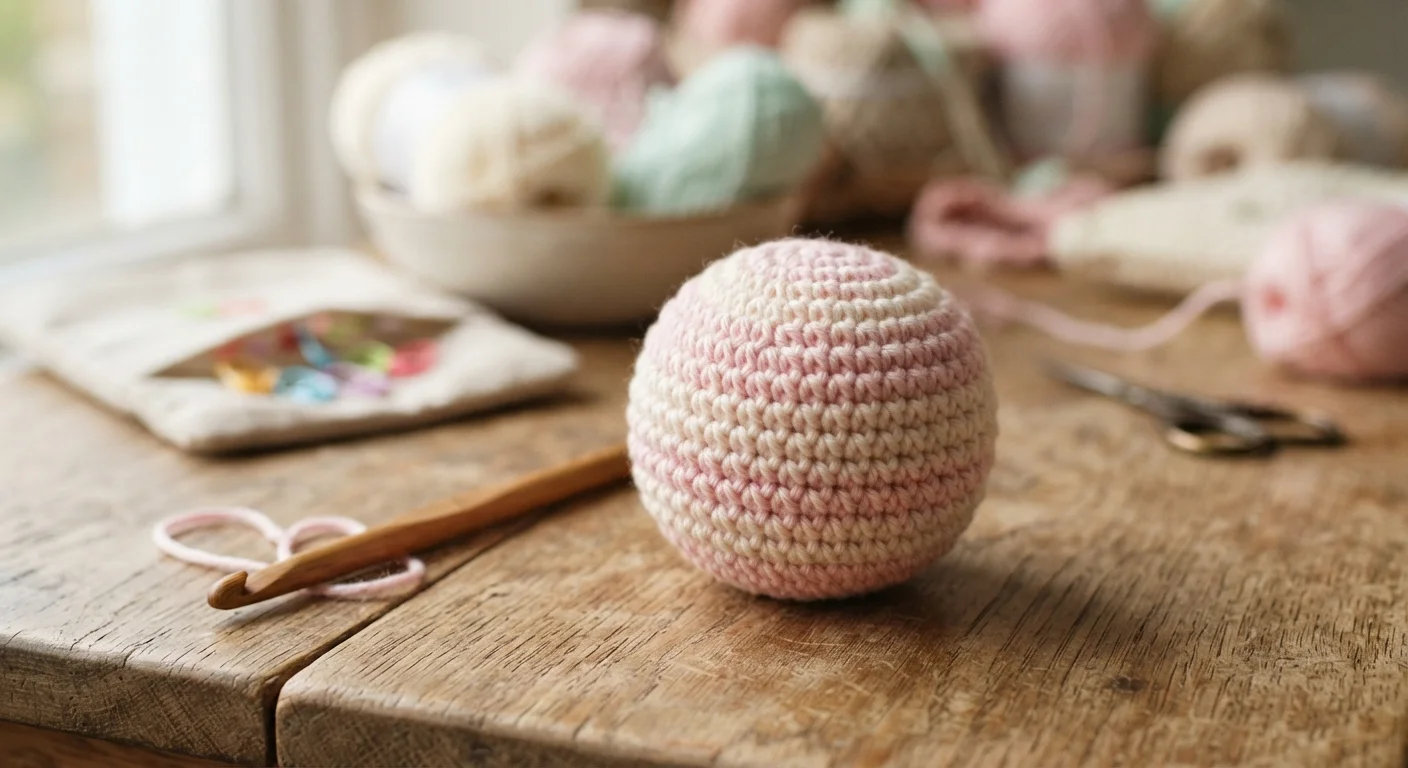
- Transition to a simple beginner pattern: Choose an easy beginner project—like a minimalist ball or a small acorn—with written instructions.
- Use video as a targeted reference: If round 8 asks for a stitch you do not recognize, pause your reading, search for that single 20-second technique video, master it, and return seamlessly to your written page.
Gentle Maker's Tip: When working with written patterns, always keep a small pencil or row-counter nearby. Ticking off completed rounds keeps your mind tranquil and prevents the dreaded "which round was I on?" scramble.
Amigurumi is an art of patience, curiosity, and rhythmic calm. Whether you learn through vibrant video frames or quiet ink on paper, every stitch you craft carries your personal warmth. We would love to see your beginner creations! Tag us on Instagram at @aylawangurumi and let's celebrate your crafting journey together.