How Beginners Should Choose Their First Amigurumi Pattern
Picking the right first amigurumi pattern keeps your enthusiasm alive. Learn how to choose simple, low-sew designs that build your crochet confidence effortlessly!
You have your crochet hook ready, a fresh skein of yarn on your desk, and an eagerness to create something adorable with your own hands. As you scroll through social media or Pinterest, you are met with endless stunning creations: intricate dolls with curly hair, realistic woodland creatures, and whimsical dragons with delicate wings.
Before diving headfirst into a complex project, take a pause. The single most important factor determining whether your crochet journey becomes a joyful hobby or an exercise in frustration is choosing the right first pattern.
Let’s explore what makes a pattern truly beginner-friendly, so you can finish your first toy with pride and excitement.
1. Why Your First Pattern Matters So Much
Amigurumi is a blend of muscle memory, counting accuracy, and gentle tension control. When you start with an overly ambitious project, common pitfalls arise:
- Losing track of stitch counts in long rounds,
- Struggling to assemble numerous limbs evenly,
- Feeling overwhelmed and leaving the piece unfinished in a basket.
Conversely, completing a simple, thoughtfully structured piece gives you immediate satisfaction. That tiny completed project provides the exact spark of confidence you need to tackle slightly bigger projects next.
2. Four Key Elements of an Ideal Starter Pattern
a) Minimal Sewing or "No-Sew" Designs
For many beginners, assembling parts is far more challenging than making the stitches. Aligning ears, snouts, and legs symmetrically takes practice. For your debut project, look for:
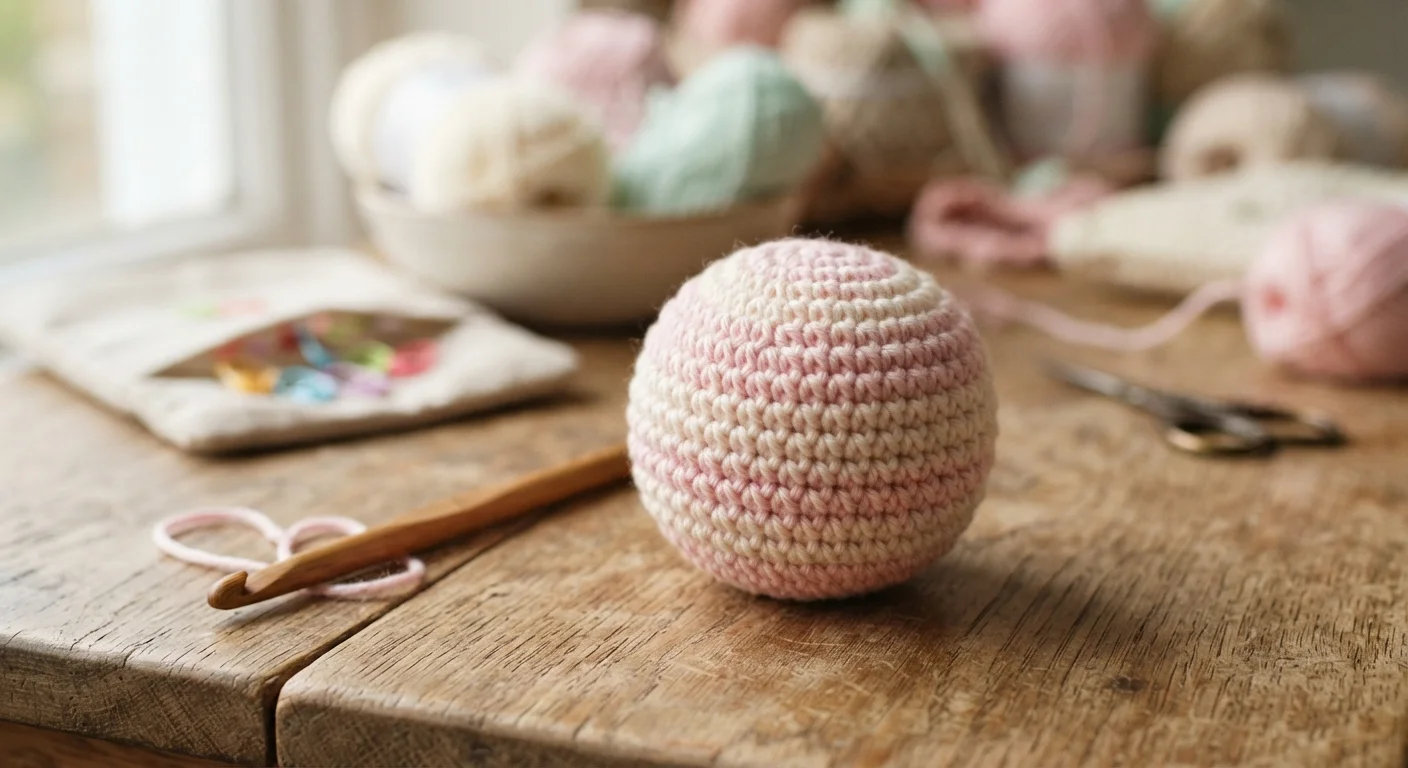
- Seamless or single-piece shapes (like a sphere or teardrop),
- Projects where the body and head are crocheted continuously,
- Minimal attachments (maximum one or two small details).
b) Reliance on Basic Stitches Only
Avoid designs requiring post stitches, clusters, or frequent loop variations (like back-loop-only or front-loop-only), unless clearly guided. Your initial pattern should stick comfortably to:
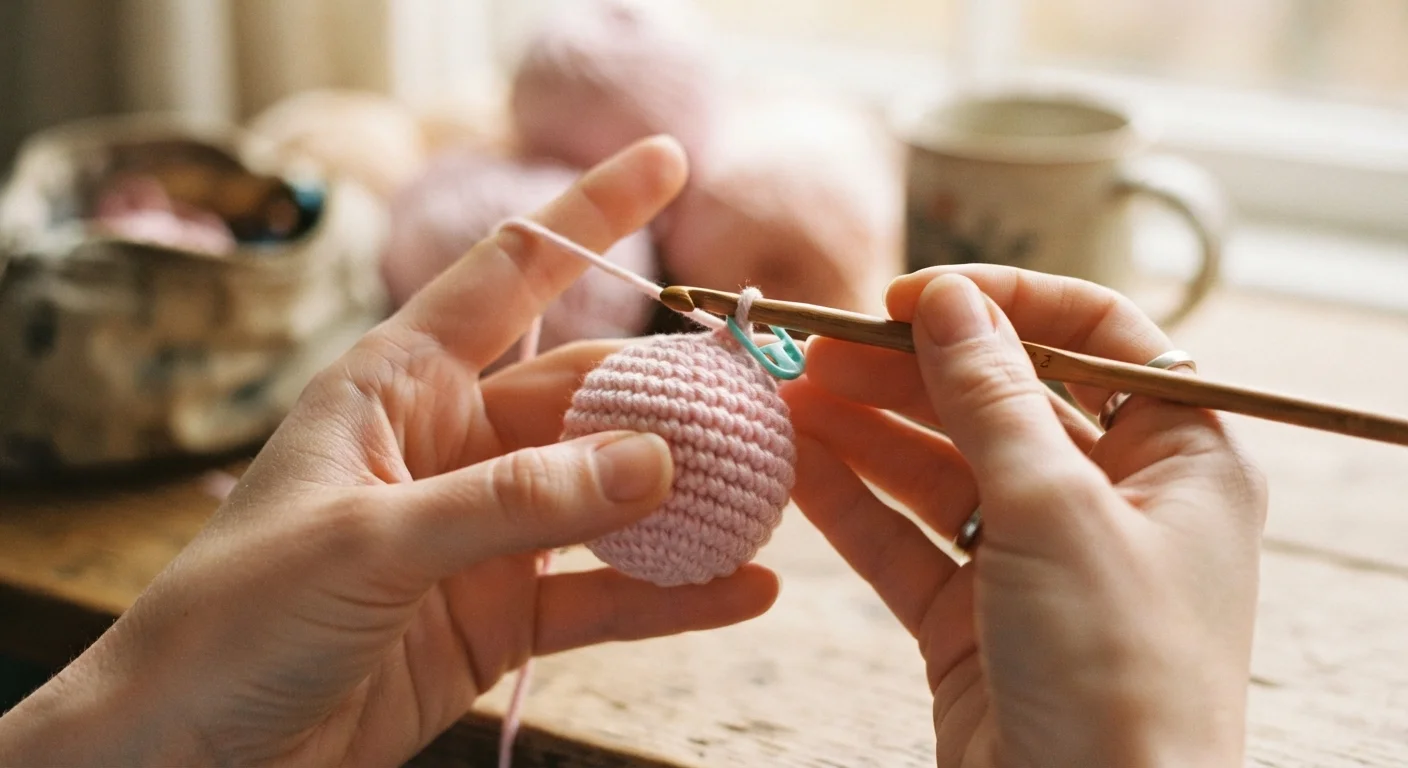
- Magic Ring (MR): The universal start for circular crochet.
- Single Crochet (SC): The backbone of 3D crochet toys.
- Increase (INC): Expanding the shape.
- Invisible Decrease (INV DEC): Smoothly tapering the shape without gaps.
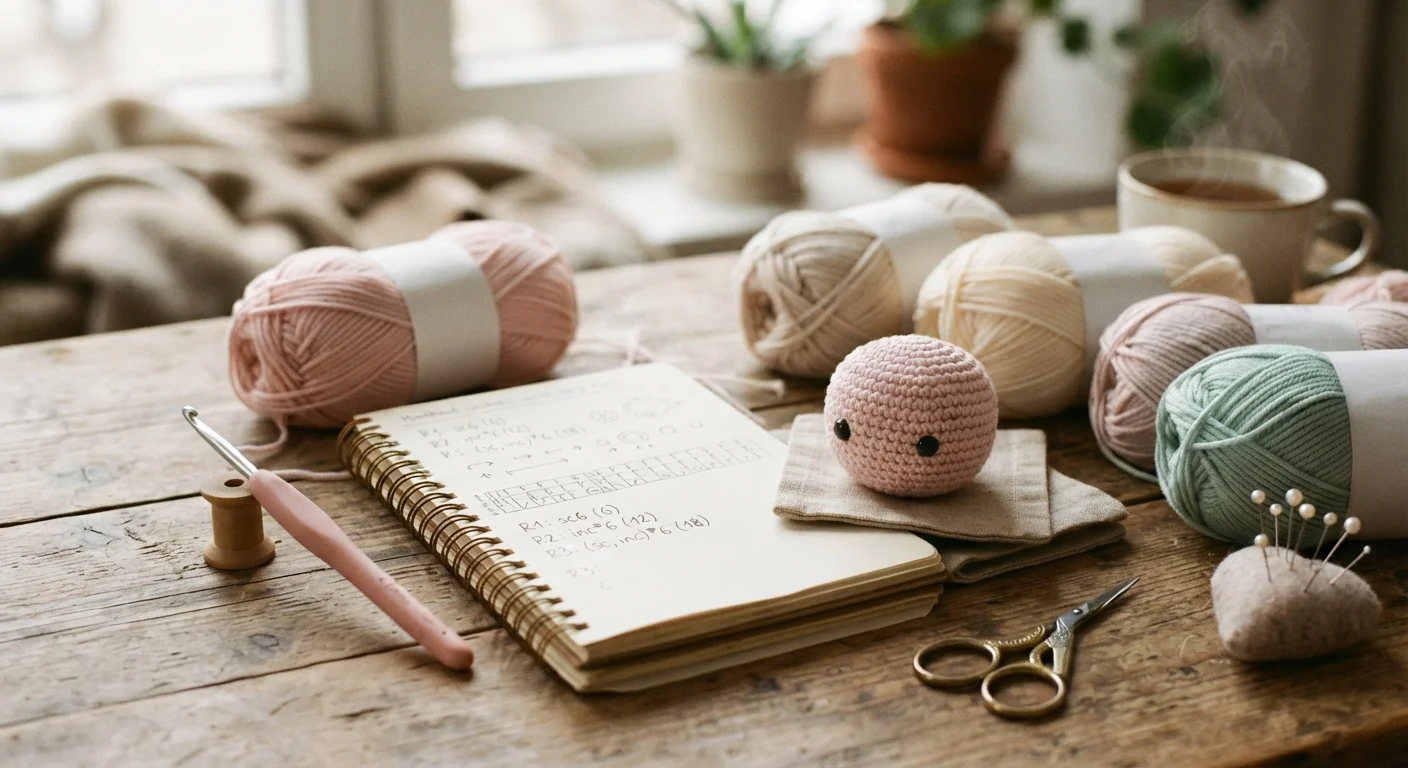
Helpful Tip: Look for patterns that clearly state round counts with stitch totals in brackets at the end of each round (e.g., [Round 4: 18 sts]). This allows you to recount and self-check easily.
c) Solid, Light-Colored Yarn Palette
Frequent color changes require maintaining constant yarn tension and carrying floats behind your work. For your first attempt, choose a pattern worked in a single light pastel shade—such as soft cream, blush pink, or light sage. Dark yarns absorb light and make individual stitch loops difficult to see.
d) Clear Photography and Clear Instructions
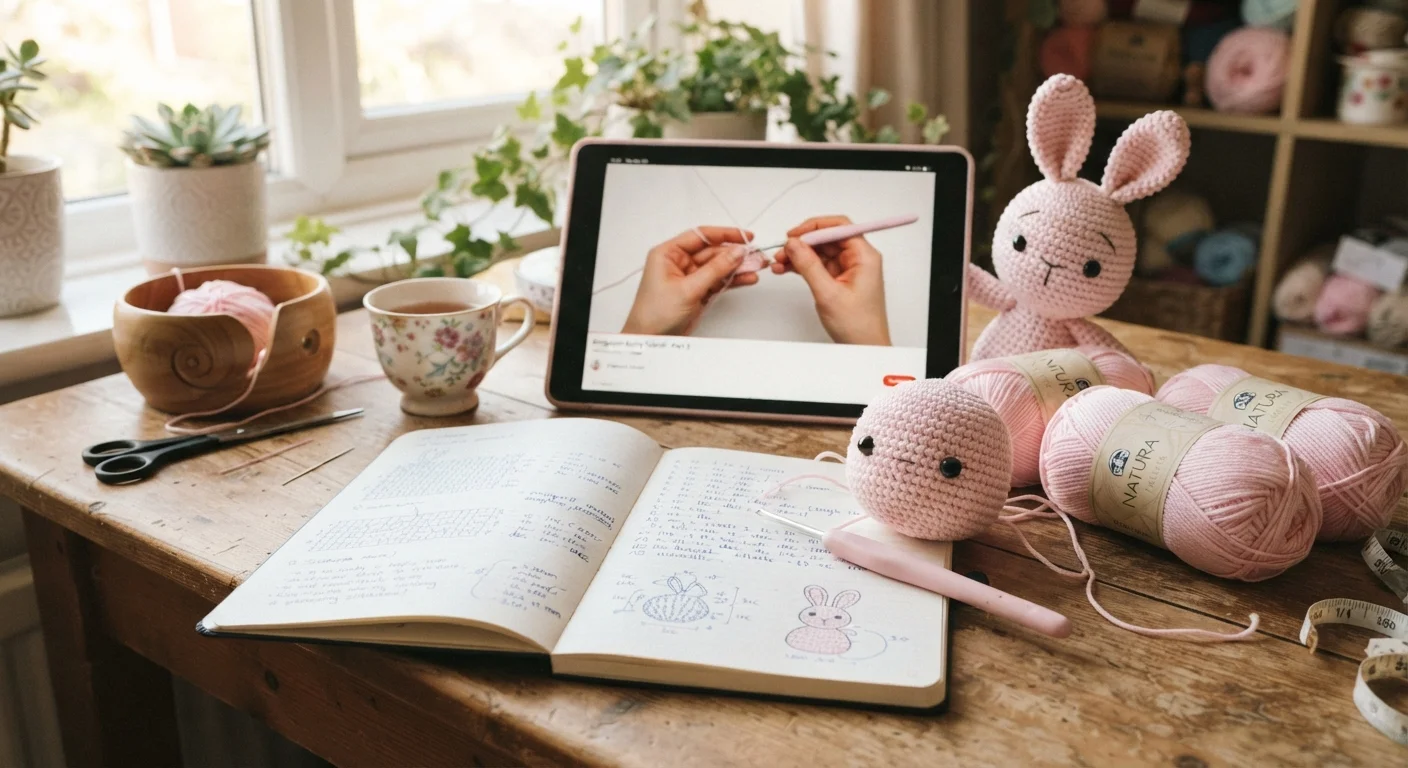
A great beginner pattern doesn't take prior knowledge for granted. It includes clear step-by-step photos, explains which round safety eyes should be placed, and offers clear instructions on firm yet gentle stuffing.
3. Best Pattern Ideas for First-Timers
Here are some classic, low-stress shapes to consider:
| Project Type | Why It Works | Difficulty Level |
|---|---|---|
| Mini Whale or Octopus | Rounded body, built-in fins/tentacles, quick to finish. | Very Easy |
| Little Avocado / Pear | Simple teardrop silhouette, easy symmetrical stuffing. | Easy |
| Crochet Sphere / Keyring | Teaches core round increases and decreases cleanly. | True Beginner |
4. Pitfalls to Avoid in the Beginning
- Fluffy or Chenille Yarns: While irresistibly soft, their dense fluff hides stitch holes completely, making it tough to count.
- Multi-Part Bears or Jointed Dolls: 10+ individual pieces waiting to be stitched together can quickly become overwhelming.
- Ultra-Fine Threads: Working with microscopic hooks strains fingers and eyes early on; standard DK or worsted cotton blend yarns are much more forgiving.
Remember, your first piece does not need to look factory-perfect. Every stitch you complete settles your tension a bit more and teaches your fingers the rhythm of the craft.
What are you hoping to crochet for your very first project? We would love to celebrate your progress and answer any questions you meet along the way. Come share your journey with our warm community on Instagram at @aylawangurumi!